
.png)
“कृत्रिम बुद्धिमत्ता का युग: 2026 में छात्र और युवा कैसे बदल रहे हैं अपनी ज़िंदगी”
2026 की एक सुबह सोचिए। आपका फोन बिना इंटरनेट के आपकी पूरी दिनचर्या तैयार कर चुका है। आपकी स्मार्टवॉच ने रात की नींद का डेटा देखकर बता दिया कि आज भारी वर्कआउट से बचना चाहिए। और आपका AI ट्यूटर पिछली रात की गलतियों के हिसाब से आज का नया लेसन प्लान बना चुका है। ये कोई साइंस फिक्शन नहीं है। ये 2026 की असलियत बनने जा रही है।
भारत के छात्रों और युवाओं के लिए AI अब सिर्फ एक टेक्नोलॉजी बज़वर्ड नहीं रहा। ये आपकी पढ़ाई, सेहत, नौकरी, मनोरंजन और ऑनलाइन सुरक्षा — सबमें घुसता जा रहा है। लेकिन इतने तेज़ बदलाव के बीच सबसे बड़ा सवाल ये है कि क्या सच में बदल रहा है, क्या सिर्फ हाइप है, और आपको तैयारी किस बात की करनी चाहिए।
इस ब्लॉग में हम यही समझेंगे। ऑन-डिवाइस AI असिस्टेंट से लेकर AI डॉक्टर, पर्सनलाइज़्ड ट्यूटर्स, स्मार्ट होम, बदलता जॉब मार्केट, AI से बनने वाली फिल्में, और डीपफेक जैसे खतरों तक — हर वो चीज़ जो 2026 में आपकी ज़िंदगी को छूने वाली है।
AI's Transformative Impact on Daily Life and Learning for Youth in 2026
Personal AI Assistants and On-Device AI Models
Imagine waking up to a phone that actually understands your life. Not in some creepy way, but genuinely helpful. By 2026, that's exactly where we're headed.
Your smartphone won't just be a device anymore.
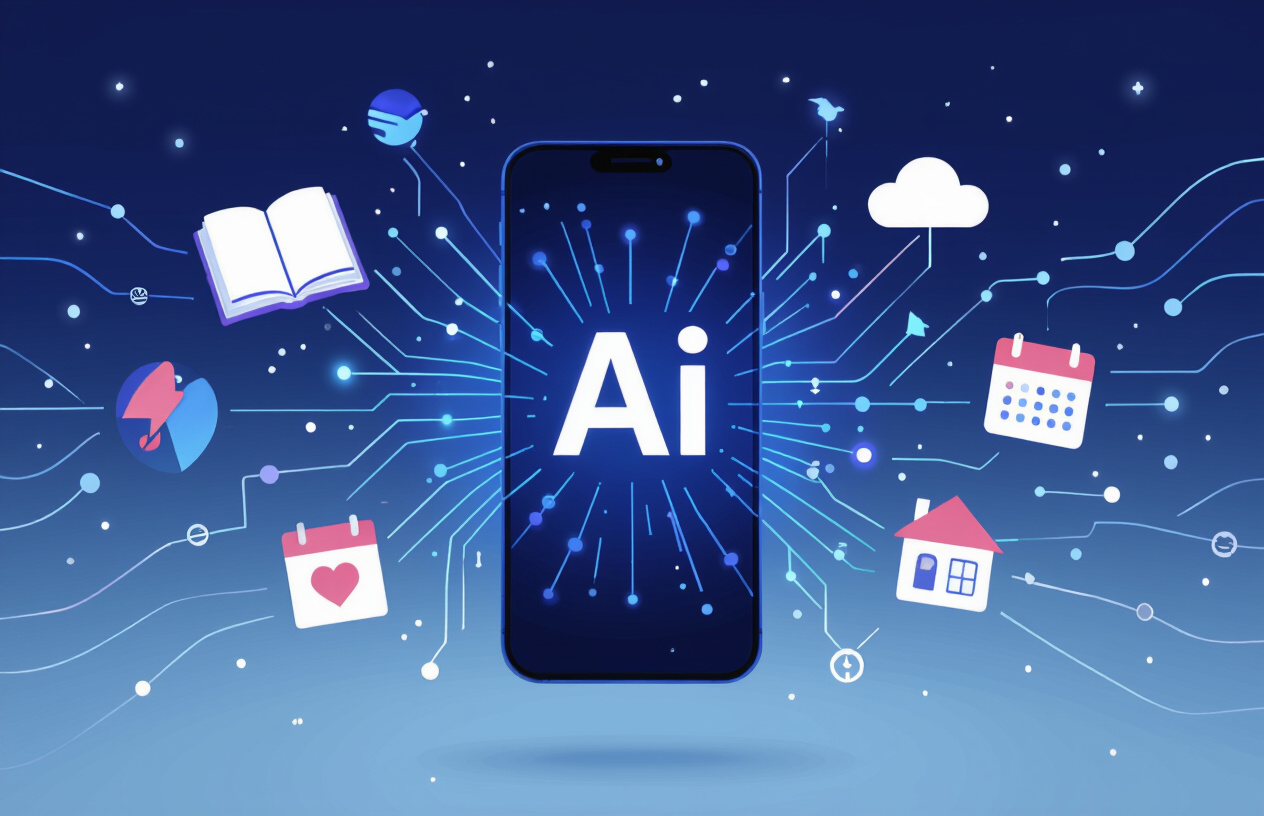 It'll be your personal assistant, your tutor when you're stuck on homework, even a health advisor when you're feeling off. The big shift? All of this happens right on your phone. No internet needed. No sending your data to some server halfway across the world.
This is called on-device AI, and it's a game changer. Your phone will handle everything locally, keeping your privacy intact while getting smarter every day. Think about it. Your AI assistant will know when your mobile recharge is about to expire and remind you before Netflix stops mid-episode. It'll track bill payment dates so you never pay late fees again. Got a big presentation tomorrow? It'll prep a checklist, pull up your files, and maybe even suggest what to wear based on the weather.
The best part? This tech isn't just for flagship phones anymore. Mid-range devices, the ones most students and young people actually buy, will come packed with these on-device AI models. Companies like Qualcomm and MediaTek are already building chips that make this possible without draining your battery or making your phone overheat during class.
Your phone becomes less of a tool you use and more of a companion that knows your routine. It learns when you usually study, when you go to the gym, when you're most productive. Small tasks that used to clutter your brain? The AI handles them. You get mental space back for things that actually matter.
AI in Health and Wellness for Young Individuals
Healthcare in 2026 looks completely different from today. Wildly different.
Your smartwatch or fitness band won't just count steps anymore.
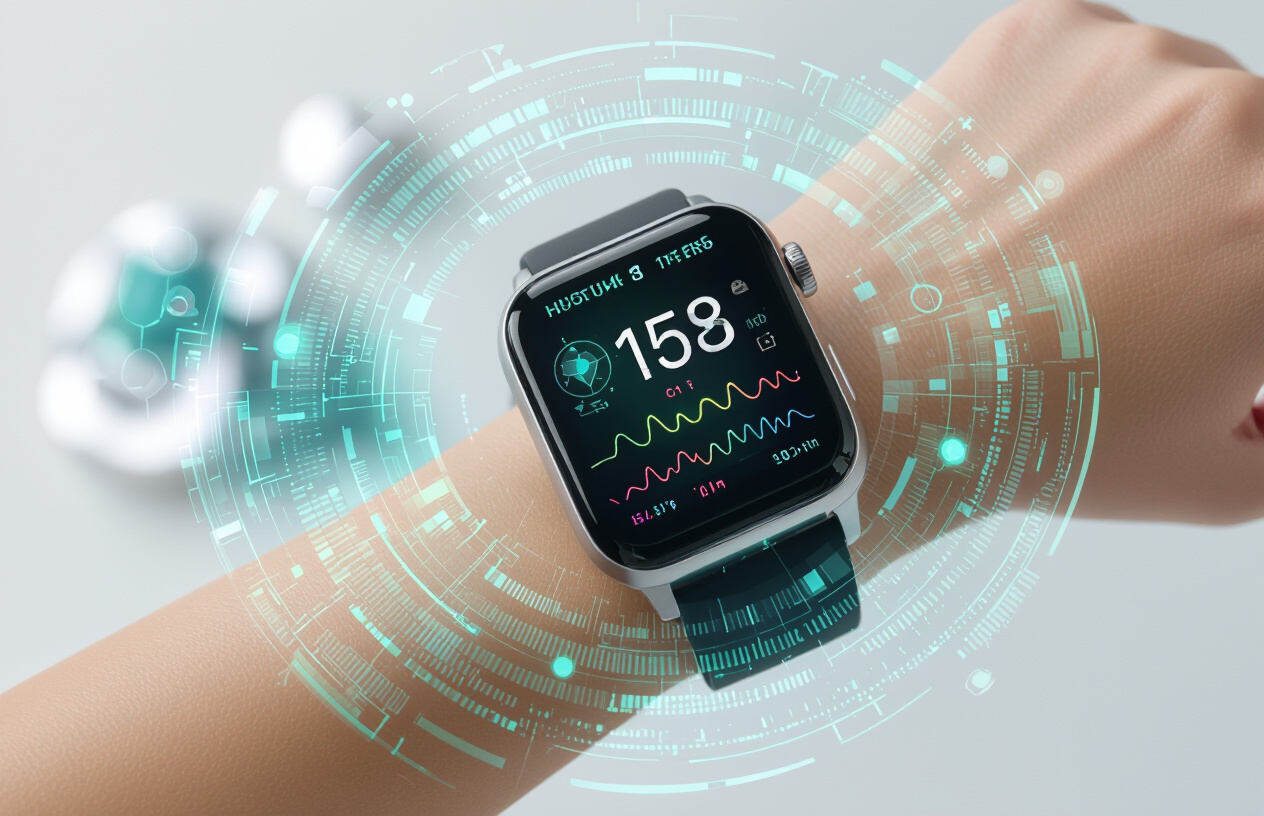 These gadgets will basically become AI doctors on your wrist. New sensors paired with advanced algorithms will track tiny changes in your sweat composition, catch irregular heart rhythms before they become serious, and monitor blood pressure continuously throughout the day.
Got a weird headache that won't go away? Your wearable might detect subtle patterns that suggest you need to see a real doctor. Early detection becomes the norm, not the exception. Diseases like certain cancers and heart conditions that used to go unnoticed until it's too late? AI models will spot warning signs months or even years earlier.
And here's the kicker. These technologies are getting cheaper fast. What used to require expensive hospital visits and specialist appointments will be accessible through affordable consumer devices. A college student in Patna will have access to the same early warning systems as someone in Manhattan.
Companies like Google and Apple are rolling out AI health coaches that go beyond basic fitness tracking. Let's say you only got four hours of sleep last night but your workout plan says to do heavy lifting. Your AI coach will notice and suggest a lighter yoga session instead. It connects the dots between sleep quality, stress levels, nutrition, and exercise in ways that would take a human personal trainer hours to figure out.
These aren't just fancy features. They're tools that help young people build healthier habits before problems start. Prevention over cure. Your AI health companion learns your body's patterns and gives you personalized advice based on actual data, not generic tips from a blog.
The Rise of Personal AI Tutors and Personalized Learning
Education is about to get personal. Really personal.
By 2026, AI tutors won't be some expensive luxury for rich kids. They'll be accessible to almost everyone. These aren't just educational apps. They're intelligent systems that adapt to how each student learns best.
Picture this scenario. Two students, Priya and Rahul, are learning algebra. Priya gets concepts quickly but makes careless mistakes. Rahul needs more time but rarely makes errors once he understands. A traditional classroom treats them the same. An AI tutor doesn't. It adjusts the pace, changes teaching methods, focuses on each student's weak spots while building on their strengths.
Kids will learn on tablets or phones, chatting with their AI tutor in Hindi, Tamil, Bengali, or whatever language feels most comfortable. Stuck on a chemistry problem at 11 PM? Ask the tutor. Made a mistake on that math equation? Get an immediate explanation of where you went wrong and why.
The next generation of these tutors breaks down the biggest barrier in Indian education: language. A child in a remote village in Chhattisgarh can learn advanced physics in their local dialect. Complex subjects become accessible when explained in the language you think in, not the language textbooks are written in.
This isn't about replacing human teachers. It's about giving every student a supplemental tutor that's available 24/7, never gets tired, never judges, and costs a fraction of private coaching. Teachers can focus on inspiration, creativity, and human connection while AI handles the repetitive drill work.
Smart Homes and Robotics: Integrating AI into Living Spaces
Robots walking around homes sounds like science fiction. In 2026, it starts becoming science fact.
Elon Musk's Optimus robot and similar projects from other companies will begin moving out of research labs. First into wealthy households, then gradually filtering down. Will every home have a humanoid robot by 2026? Absolutely not. But the journey begins, and early adopters will start seeing what's possible.
Even without a full robot, home appliances are getting seriously smart. Your fridge won't just keep food cold. With Edge AI and the Matter protocol making devices talk to each other, it'll track what's inside. Milk running low? It orders more automatically or adds it to your shopping list before you even notice.
Mid-range kitchen gadgets, the kind normal families buy, will start including basic AI features. Your stove might alert you to turn off the gas before your dal burns. Ovens that prevent overcooking by adjusting temperature based on what's inside. Safety modes that kick in when kids are nearby, preventing accidents before they happen.
This integration makes daily life smoother. Less mental load managing a household. Your home starts anticipating needs instead of just responding to commands. It's subtle but powerful, especially for young people juggling studies, side hustles, social lives, and family responsibilities. The home becomes a supportive environment, not just four walls and some furniture.
These changes aren't about luxury. They're about freeing up time and mental energy for what matters: learning, creating, connecting, growing.
नेविगेट करना AI-संचालित भविष्य: युवाओं के लिए करियर, रचनात्मकता और सामाजिक बदलाव
बदलता जॉब मार्केट: AI युग में युवाओं के लिए अवसर और चुनौतियाँ
Stanford University की रिपोर्ट कहती है कि 2026 तक generative AI कुछ jobs पर दबाव बनाएगी। Customer support वाले jobs खतरे में हैं। Content writing और basic coding भी प्रभावित होंगे। Data entry और routine office tasks सबसे ज्यादा vulnerable हैं।
लेकिन घबराने की जरूरत नहीं है। जो jobs में creative planning चाहिए, वो relatively safe रहेंगे। Strategy बनाने वाली भूमिकाएं बची रहेंगी। Fieldwork और human interaction वाले काम AI आसानी से नहीं ले सकती। टीचर, therapist, sales manager जैसे profession में अभी भी इंसानी touch की जरूरत है।
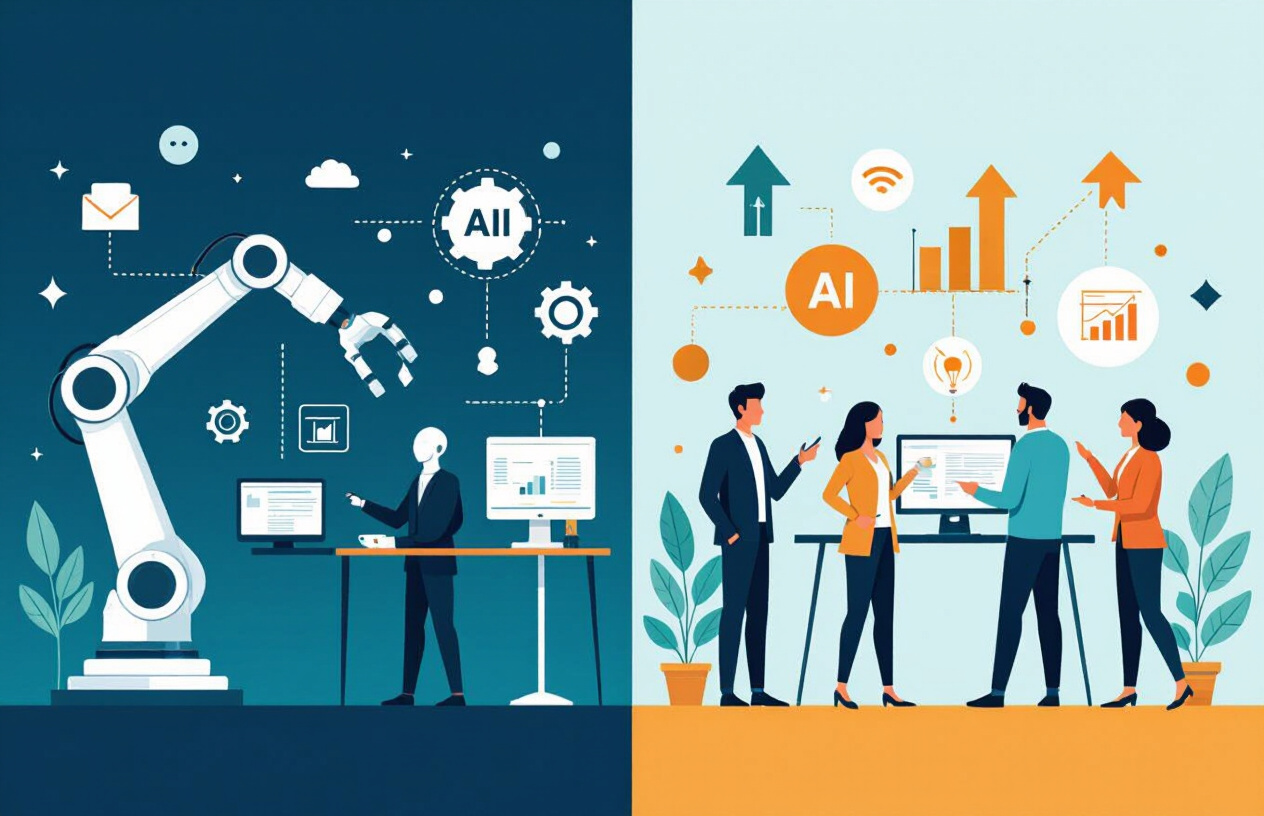
असली सवाल यह है कि companies AI का इस्तेमाल कैसे करेंगी। क्या productivity बढ़ाने के लिए या सिर्फ cost cutting और छंटनी के लिए? यह decision हमारे future को shape करेगा। कुछ companies तो AI को tool की तरह use करेंगी जो employees की मदद करे, जबकि दूसरी companies सिर्फ कर्मचारियों की संख्या घटाना चाहेंगी।
अच्छी खबर यह है कि AI से नई jobs भी पैदा होंगी। AI trainers की demand बढ़ेगी जो models को सिखाएंगे। Prompt engineers चाहिए होंगे जो AI से सही output निकालना जानते हों। AI ethics specialists, data curators, automation managers जैसे roles आएंगे। Students को अभी से इन नए skills में invest करना शुरू करना चाहिए।
मनोरंजन और रचनात्मक अभिव्यक्ति में AI की भूमिका
Generative video 2026 तक mainstream हो जाएगा। Netflix या YouTube पर क्या देखें, यह decide करने में घंटों नहीं लगेंगे। AI आपकी पसंद समझेगा और instant content बनाएगा।
Imagine करो। तुम कह सकते हो कि मुझे 90s के Shah Rukh Khan के साथ एक film चाहिए। Story Harry Potter जैसी होनी चाहिए। Shooting Jaipur में हुई हो। AI कुछ मिनटों में यह film generate कर देगा। यह science fiction नहीं है, यह बहुत जल्द reality होने वाली है।
Sora और Runway जैसे tools इतने advanced हो जाएंगे कि ordinary लोग घर बैठे Hollywood level के visual effects बना सकेंगे। पहले जिस काम में crores रुपये और बड़ी production team चाहिए थी, वो अब laptop पर संभव होगा। Young creators के लिए यह golden opportunity है। Budget की कमी अब creativity की राह में रुकावट नहीं बनेगी।
पब्लिक ट्रांसपोर्ट और शहरी जीवन में AI
India में 2026 तक पूरी तरह driverless cars तो शायद common नहीं होंगी। लेकिन हर नई गाड़ी में AI co-pilot जरूर होगा। यह feature safety को completely नए level पर ले जाएगा।
AI system driver की आंखों को track करेगा। अगर तुम drowsy हो या distracted हो तो गाड़ी automatically slow हो जाएगी। Extreme cases में गाड़ी safe जगह पर खुद रुक जाएगी। यह technology हजारों accidents रोक सकती है।
Vehicles आपस में connect होंगी। एक गाड़ी दूसरी गाड़ी को signal भेजेगी कि मैं brake लगा रहा हूं। Accidents का risk बहुत कम हो जाएगा। Traffic lights भी AI-controlled होंगे जो real-time में जाम कम करेंगे। Experts कहते हैं कि यह travel time में 20-30% की बचत कर सकता है।
Bus और metro की real-time location अब सच में accurate होगी। अब वो frustrating wait नहीं होगा जब bus कभी आएगी ही नहीं लगता। Urban living smarter और stress-free बनेगी।
AI-प्रधान दुनिया में सुरक्षा, कानून और नैतिक विचार
2026 की digital world दोनों easier और dangerous होगी। Deepfake videos की बाढ़ आ जाएगी। Voice impersonation scams बढ़ेंगे। किसी का भी face और voice इतने realistic तरीके से copy हो सकेगा कि सच और झूठ में फर्क करना मुश्किल होगा।
इसी वजह से data protection, bias और accountability पर focus बढ़ेगा। Stricter regulations आएंगे। Government और tech companies को मिलकर नए laws बनाने होंगे। Privacy और innovation के बीच balance बनाना 2026 की सबसे बड़ी challenges में से एक होगा।
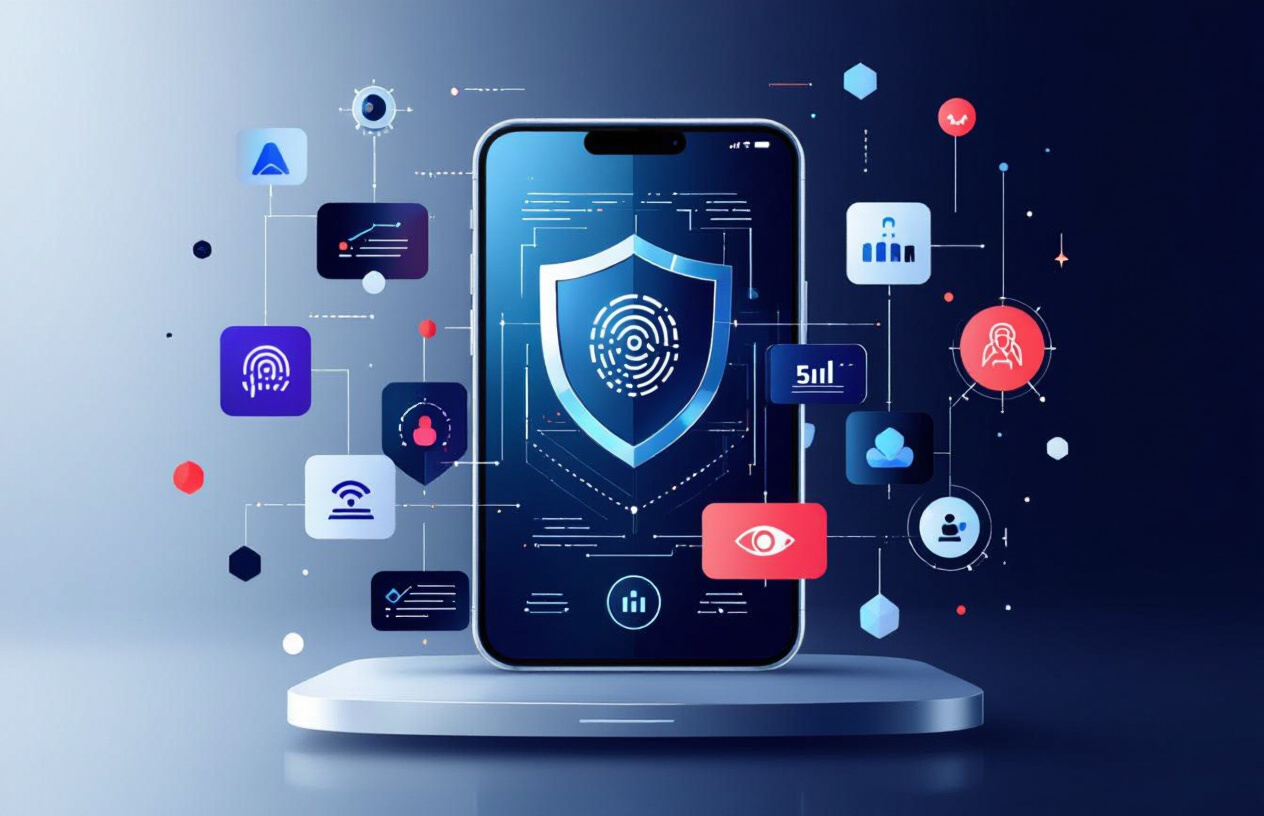
Banks और social media accounts पर AI bodyguards deploy होंगे। ये intelligent systems पहचानेंगे कि message real relatives से आ रहा है या AI scammers से। Machine learning algorithms suspicious patterns detect करेंगे। अगर कोई तुम्हारी mummy की voice copy करके पैसे मांगे तो AI तुरंत warning देगा।
Passwords शायद 2026 तक outdated हो जाएं। Identity verification face, voice और behavior से होगा। Multi-factor biometric authentication standard बन जाएगा। यह ज्यादा secure है क्योंकि हर इंसान की unique biological और behavioral signature होती है। Security और convenience दोनों साथ मिलेंगे।
